2017
spatial phonetics
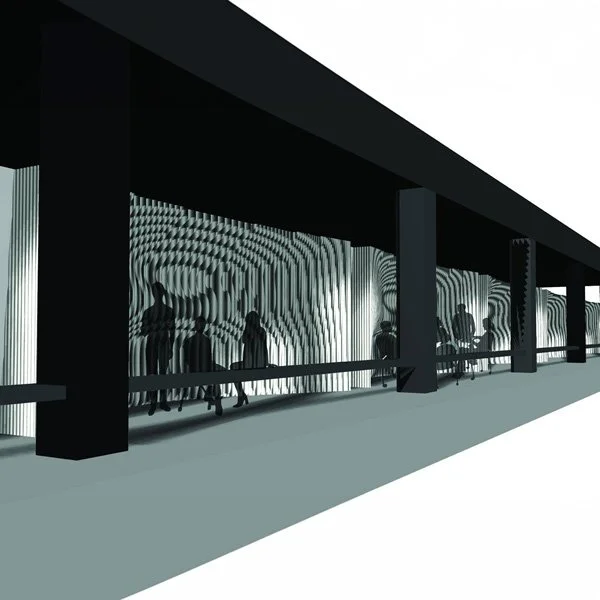
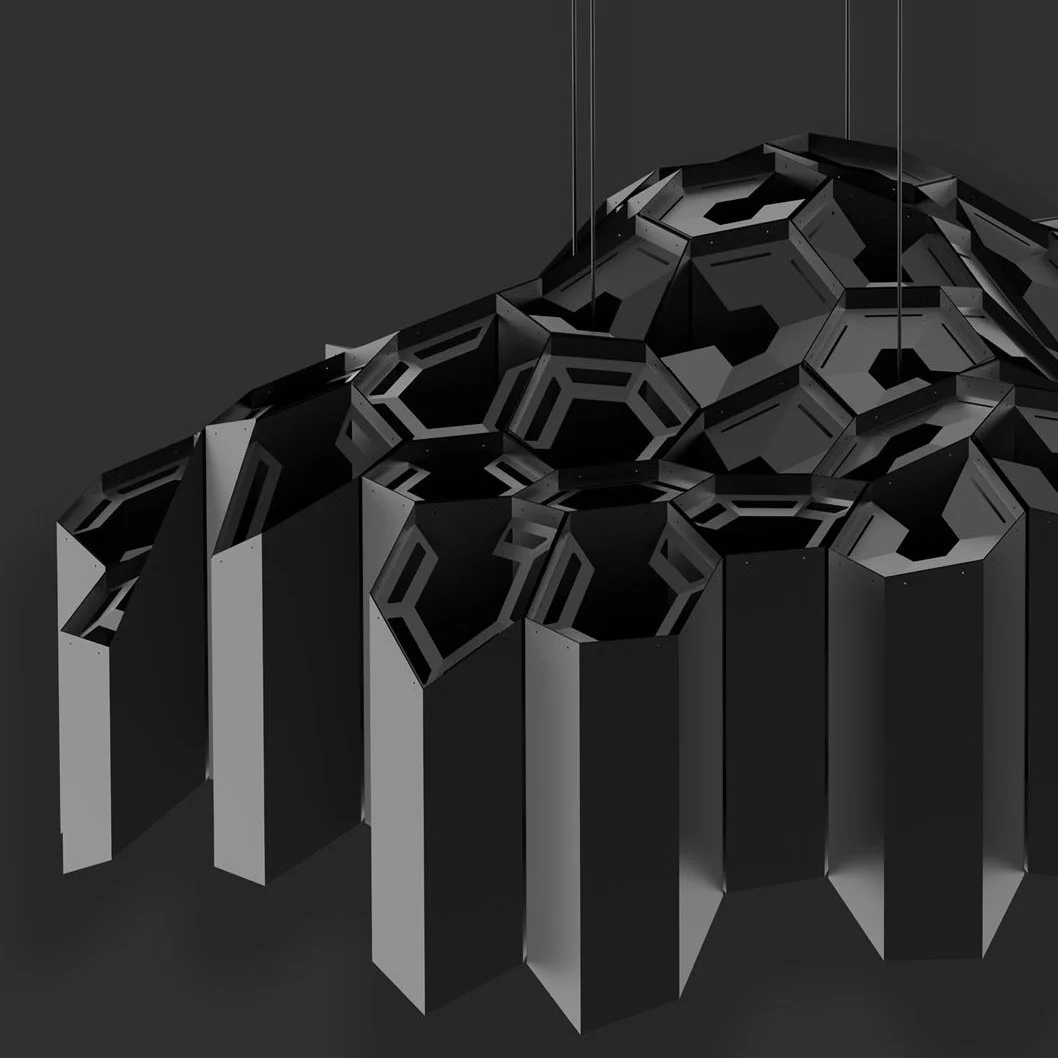
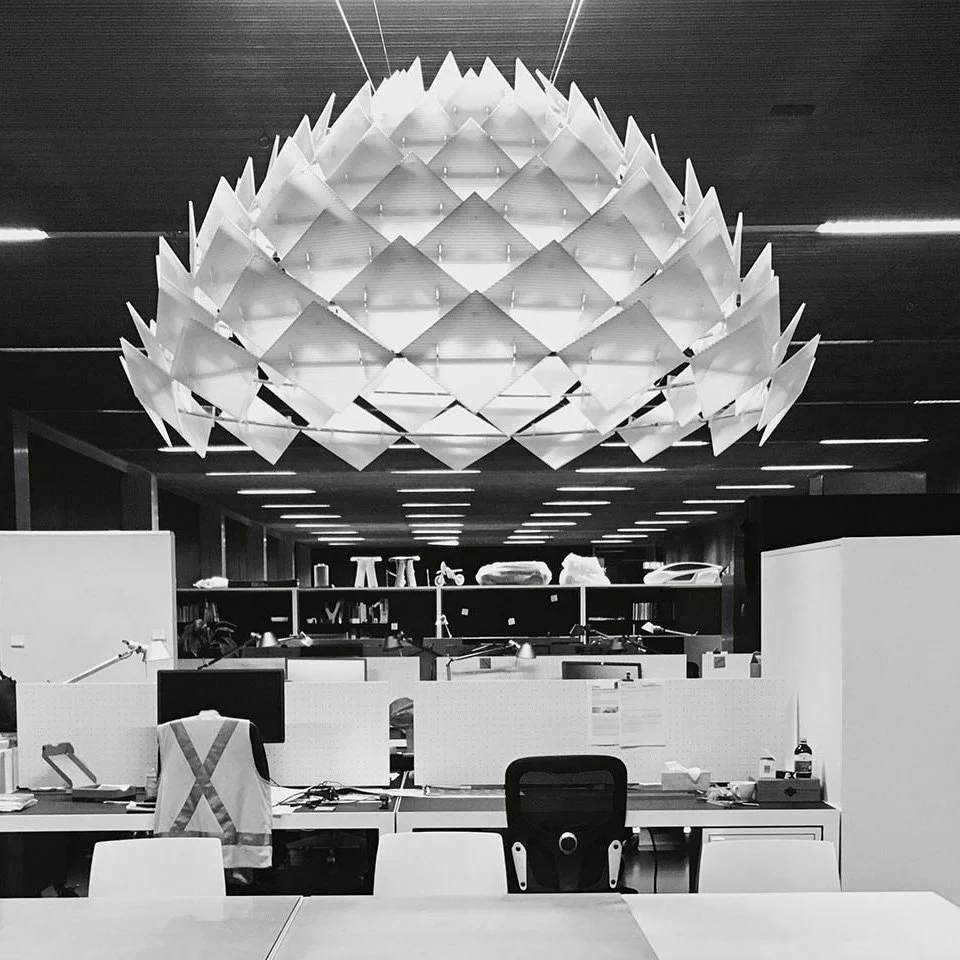
The studio explored how sound subliminally affects people in physiological, psychological, cognitive and behavioural ways. Students were asked to design a structure in an open plan office space which would offer not only spatial enclosure but also acoustic attenuation. This task asked students to consider the generation of interior forms that were visually compelling, structurally ingenious and which enhanced auditory perception.
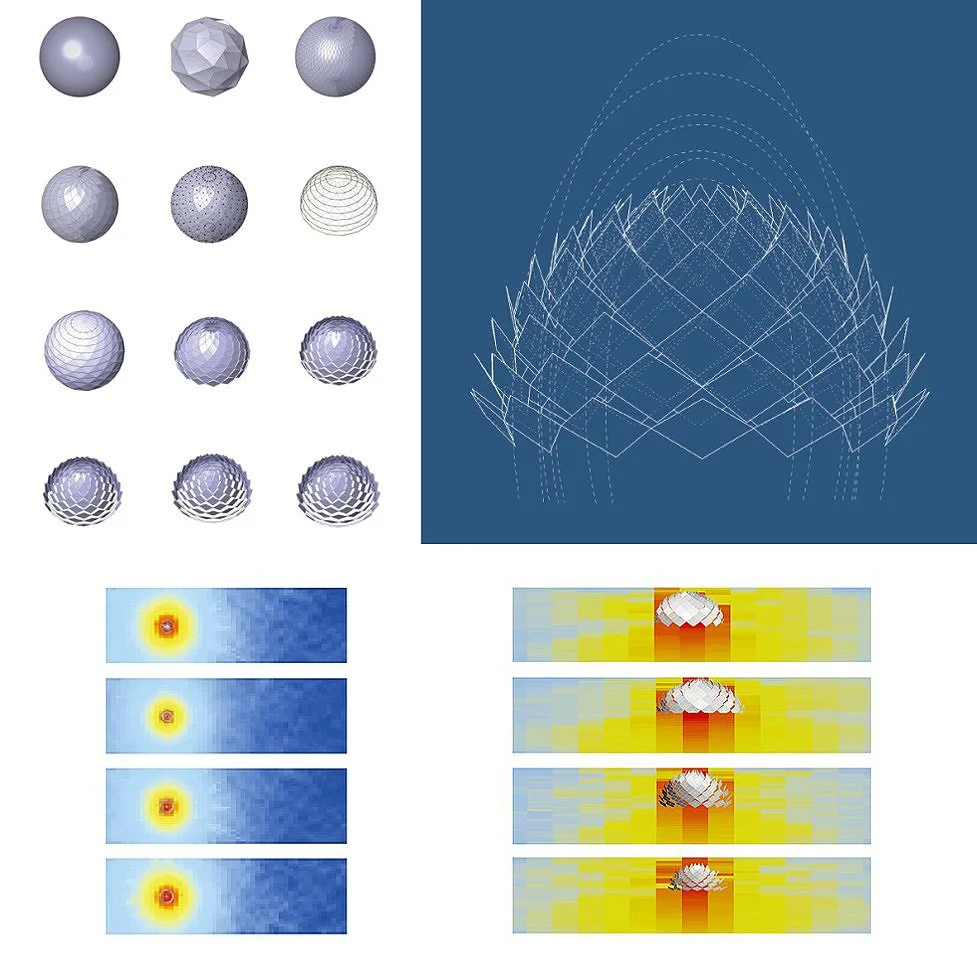
The students explored the design potential of sound by gathering a body of research and experiential data collection to examine the relationship between sound, space geometries and tectonics. The incorporation of acoustic information into the early stages of the design process relied on students developing their awareness of the acoustic conditions in open plan work environments and the engagement with digital tools that could visualise the effects of sound when it interacts with different geometries and materials.
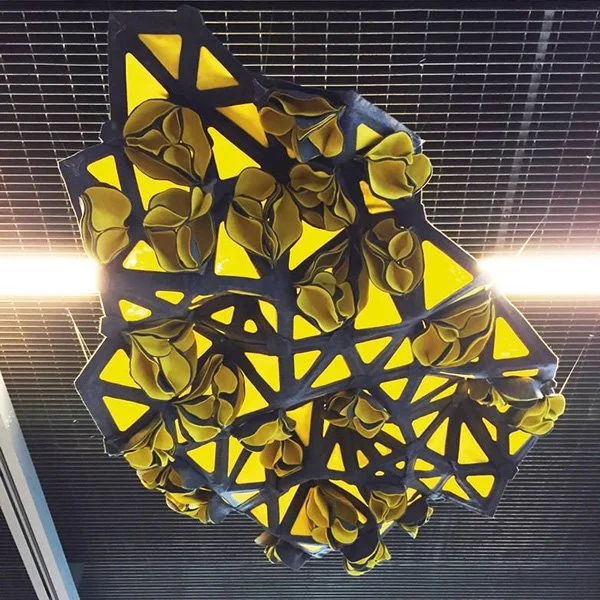
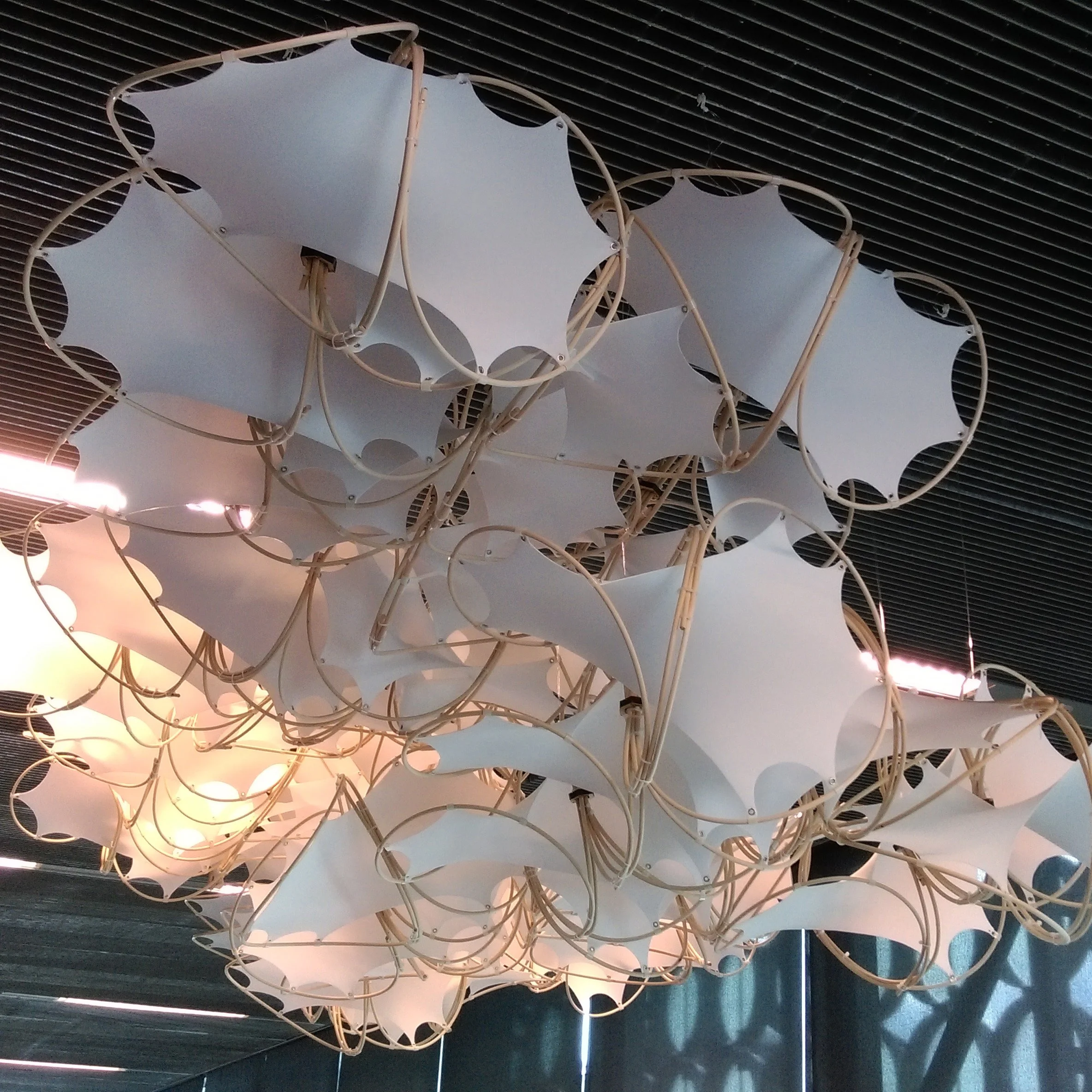
Ultimately the students familiarised themselves with digital and physical rapid prototyping techniques. Learning how to model form and acoustic propagation using parametric design software they developed designs that incorporated acoustic and fabrication parameters simultaneously. Working in groups, they then prototyped full sized physical models that were tested and exhibited throughout the working environments and teaching spaces of the RMIT School of Architecture and Design.